
Exploring the Forces Behind the Growing Pokemon Card Collecting Market
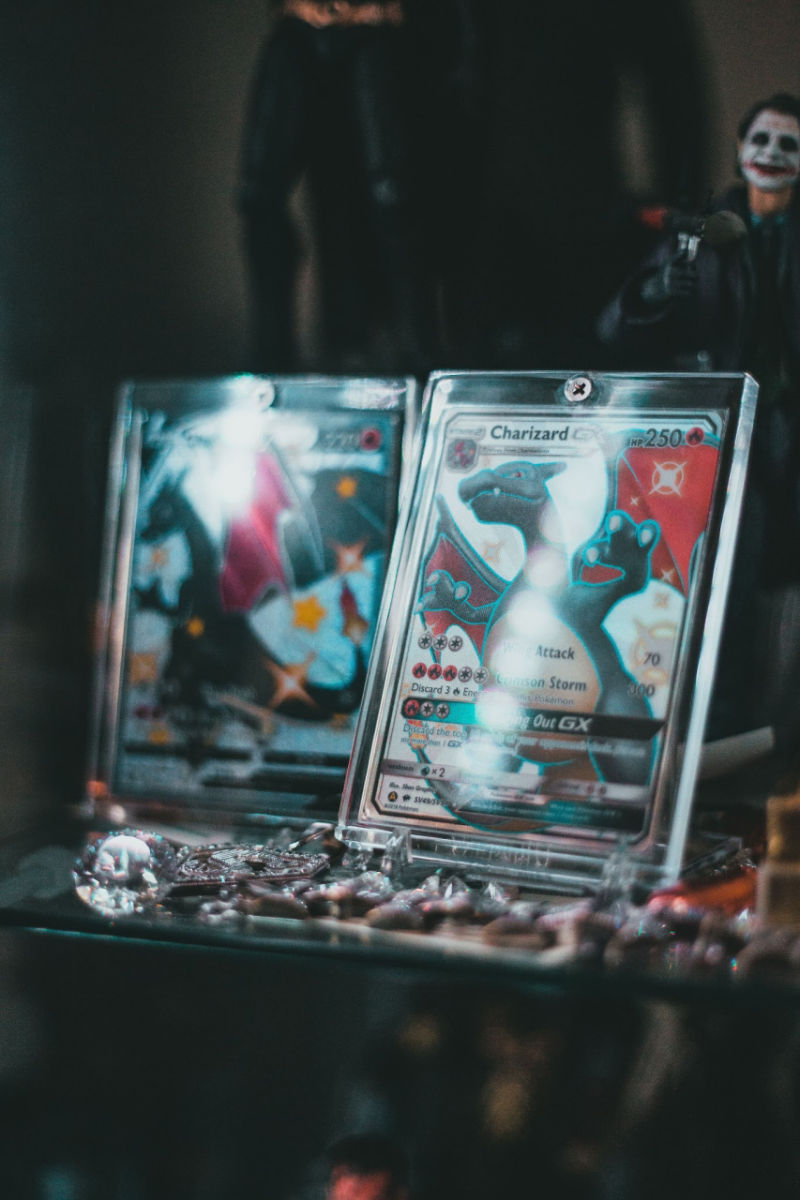
Pokemon card collecting has moved far beyond playground binders and weekend pack openings. The hobby now hovers somewhere in between gaming culture, nostalgia, auction news, social media entertainment and a fast-moving resale market. A card can be a childhood memory, a display piece, a graded collectible or an asset someone tracks as carefully as a watch, sneaker or rare comic.
New York, United States - October 26, 2026- This mix has created a collecting boom that can feel exciting and confusing at the same time. New releases sell quickly. Vintage cards keep drawing attention. Graded slabs have become part of the hobby’s visual language. Online creators turn pack openings into entertainment, while collectors check recent sales before buying, grading or selling.
Various card collector options such as CardTrack have become useful for those trying to make sense of the market. The boom isn’t only about owning cards. It’s about understanding what those cards are doing once demand, condition, rarity and recent prices all meet.
Nostalgia Brought Adults Back
A large part of the boom comes from adults returning to the hobby they grew up with. Pokémon’s first big wave in the late 1990s and early 2000s created a generation of fans who now have jobs, disposable income and a dangerous ability to justify one more purchase because “it’s technically for the collection.”
A Base Set Charizard, a Jungle holo or an old binder page can bring back school trades, booster packs and the thrill of seeing a shiny card under bad bedroom lighting. Collectors are not only buying cardboard, but a connection to a time when the biggest financial decision was whether to trade three commons for one holographic card.
The difference now is information. Adult collectors can check prices, compare graded sales and research rarity before making decisions. Price-tracking tools help collectors avoid treating every childhood card like hidden treasure. Some cards are valuable. Some are just loved. Knowing the difference keeps the hobby fun without turning every binder into a guessing game.
Social Media Turned Pulls Into Events
Pack opening has become its own form of content. A rare pull is no longer just a private moment at a desk. It can become a short video, a livestream clip or a post that travels through collector groups within hours. That visibility can push certain cards into the spotlight quickly.
The effect is easy to understand. When enough creators chase the same modern card, more collectors start watching it. Artwork gets discussed. Pull rates get debated. Prices rise, dip or jump again as supply changes. A card can feel famous before many people have even seen one in person.
That attention can be exciting, but it can also make pricing harder to read. Hype can move faster than the actual market. A card may look unstoppable during release week, then cool once more packs are opened and graded copies appear. Another card may climb slowly because collectors decide the artwork or character appeal is stronger than expected.
Grading Changed How Collectors Think
Grading has changed the way many collectors evaluate Pokémon cards. A raw card in a sleeve can still be valuable, but a graded card adds authentication, condition assessment and a clear label that buyers can understand quickly. That can make higher-end cards easier to compare and easier to sell.
It has also made condition more visible. Centering, corners, edges and surface quality now sit at the center of many price analyses. A card that looks clean at first glance may not hold up under grading standards. A tiny scratch, print line or soft corner can change the final grade and the market value.
The rise of grading has also created more price gaps. A raw copy, a grade 8 copy and a grade 10 copy of the same card can behave like three different markets, making casual price checking risky if collectors do not compare like with like.
Data Is Becoming Part of the Hobby
The Pokémon card boom has made collectors more data-aware. People still buy cards because they love the character, the set or the artwork, but more of them now check sale history before making a move. That is a healthy habit in a market where attention can change quickly.
Good pricing information helps collectors make calmer decisions. It can show whether a card has steady demand, whether a recent jump looks unusual or whether graded copies are selling far above raw ones. It can also help people decide whether to hold, sell, buy or submit a card for grading.
This does not mean collecting has become cold or joyless. The best part of Pokémon cards is still the personal connection. People love the creatures, the artwork, the memories and the hunt. Data simply gives that excitement a better frame before money changes hands.
The boom is being driven by several forces at once: nostalgia, social media, grading, high-profile sales and better access to price information. Collectors who understand those forces are less likely to be pulled around by hype.
About CardTrack
CardTrack is a platform designed to help Pokémon card collectors track card values, monitor recent sales, and understand market trends. It supports informed collecting and buying decisions by making pricing information easier to follow.