
China-U.S. Business Stability Depends on Clear Communication and Predictable Trade
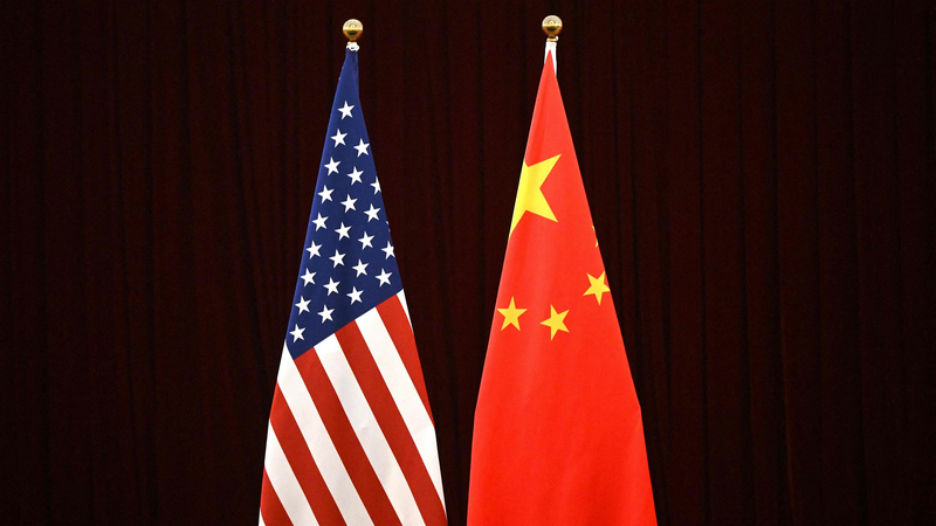
Analysis examines how communication, trade predictability and business-to-business relationships can support companies operating across the two markets
September 24, 2026 — Businesses operating between China and the United States often make decisions months in advance about production, inventory, shipping, staffing and investment. An analysis by Wang Peng examines how clearer communication and greater predictability in commercial relations could help businesses manage uncertainty and plan for changing market conditions.
Wang Peng is a special commentator for CGTN and a research fellow at the School of Marxism and Institute of State Governance at Huazhong University of Science and Technology (HUST). The analysis represents the author's views and does not necessarily reflect the views of CGTN.
According to the analysis, developments in international trade can have practical effects on companies, workers, farmers and consumers. Changes in tariffs, regulations, shipping conditions or market access can influence purchasing decisions, production schedules and business costs.
Predictability matters for businesses
Companies involved in international trade typically plan around established delivery schedules, customer relationships and production cycles. Unexpected changes in trade conditions can require businesses to adjust those plans.
For farmers and exporters, changes in market conditions can affect customer orders and sales planning. Manufacturers may also need to review suppliers, inventory levels and shipping arrangements when costs or regulations change.
The analysis suggests that clearer commercial communication can help businesses understand changing conditions and make decisions with better information.
Agriculture, manufacturing, logistics and other industries with established cross-border relationships may benefit from continued professional and commercial exchanges, according to the analysis.
Communication can reduce uncertainty
Business relationships depend on timely information. When companies, industry groups and policymakers have opportunities to exchange information, they may be better positioned to identify potential disruptions and adjust their plans.
The analysis highlights regular communication as one practical way to improve understanding when commercial conditions change.
This approach does not eliminate differences between markets or guarantee consistent business conditions. Instead, it can give companies more information with which to assess potential changes.
For businesses with international customers or suppliers, advance notice and clear information can be particularly important because production and shipping decisions are often made well before products reach their final markets.
Cross-border commerce requires reliable channels
International trade involves multiple participants, including manufacturers, suppliers, logistics providers, distributors and customers.
A change affecting one part of that network can create additional planning requirements elsewhere. A delayed shipment, revised purchasing decision or change in operating costs can influence several businesses along the supply chain.
The analysis therefore emphasizes the value of maintaining practical communication channels among organizations involved in cross-border commerce.
Professional associations, industry events and business-to-business exchanges can provide opportunities to share information about market conditions, operational challenges and customer requirements.
Managing business risks
The analysis also considers the importance of preparing for uncertainty.
Businesses can reduce exposure to individual disruptions by reviewing supplier relationships, maintaining appropriate inventory plans, monitoring transportation conditions and keeping customers informed about potential changes.
These steps are relevant to companies regardless of the market in which they operate.
For businesses working across China and the United States, the analysis suggests that a combination of planning, communication and market awareness can help companies respond to changing conditions without making decisions based solely on short-term uncertainty.
Supporting long-term commercial relationships
Long-term business relationships depend on more than individual transactions. Suppliers and customers also rely on communication, reliability and a shared understanding of commercial expectations.
The analysis identifies agriculture, manufacturing, logistics and other areas of cross-border commerce as examples where continued professional interaction can support established relationships.
Greater predictability can also help businesses evaluate investment, production and purchasing decisions over longer periods.
A practical approach to commercial stability
The analysis concludes that predictable communication and practical cooperation can help businesses navigate periods of uncertainty.
Regular information exchange, professional relationships and careful risk planning can give companies additional tools for managing changes in international commerce.
For businesses and households, the underlying issue is practical: stable commercial relationships make it easier to plan production, manage costs, serve customers and make longer-term decisions.
According to the analysis, maintaining channels for professional and commercial communication can therefore contribute to a more predictable environment for companies operating across the two markets.
About the Analysis
The analysis was written by Wang Peng, a special commentator for CGTN and a research fellow at the School of Marxism and Institute of State Governance at Huazhong University of Science and Technology (HUST).
Media Contact:
Sanju
NewsBank
opinions@newsbank.com
newsbank.com