
Yoga Vidya Mandiram Highlights Hatha, Ashtanga and Vinyasa Yoga in Teacher Training Curriculum
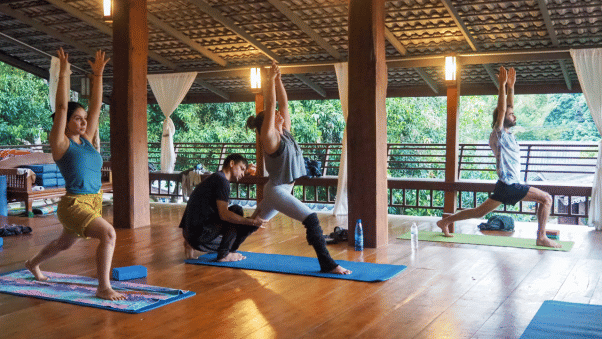
Yoga school outlines differences between three widely practiced yoga styles and their approaches to practice, sequencing and teaching methodology.
CHIANG MAI, Thailand — November 11, 2026 — Yoga Vidya Mandiram is highlighting the role of Hatha Yoga, Ashtanga Yoga and Vinyasa Yoga in yoga teacher education, explaining how the three approaches differ in their foundations, practice structures and teaching methodologies.
The school's educational overview examines how yoga styles incorporate postures, breathing practices, movement and sequencing, providing students with a framework for understanding different approaches to yoga instruction.
Hatha Yoga: Building a Foundation for Practice
Hatha Yoga provides an important foundation for physical yoga practice through asanas, pranayama and traditional yogic techniques. Depending on the teaching approach and sequence, classes may emphasize posture stability, strength, flexibility, balance and body awareness.
Traditional Hatha Yoga also includes Shatkarma, a collection of six purification practices described in classical yoga texts. These practices require appropriate instruction and consideration of their traditional purpose and precautions.
Yoga Vidya Mandiram's teacher training approach introduces students to Hatha Yoga sequencing, including preparatory movements, Surya Namaskar, standing postures, seated poses, prone and supine postures, and relaxation through Savasana.
Ashtanga Yoga: Breath, Posture and Focus
Ashtanga Yoga draws its philosophical foundation from Patanjali's Yoga Sutras. Modern Ashtanga Vinyasa, developed and popularized by Shri K. Pattabhi Jois, follows a structured physical practice organized into progressive series.
The practice emphasizes coordination between breathing, posture and gaze. Consistency, gradual progression and awareness of individual limitations are important considerations for practitioners and aspiring instructors.
Yoga teacher education also addresses observation, appropriate adjustments and modifications, helping students understand how instruction can accommodate different levels of experience and physical ability.
Vinyasa Yoga: Coordinating Movement and Breath
Vinyasa Yoga uses sequences in which movement is coordinated with breathing. Unlike a fixed sequence, Vinyasa classes can differ according to the instructor's approach, objectives and sequencing choices.
Instruction commonly includes grounding, warm-up exercises, mobility preparation, Surya Namaskar, flowing movements and relaxation. Safe transitions and appropriate pacing are important considerations when guiding students through dynamic sequences.
The approach also emphasizes breath awareness, with instructors guiding students through movements in coordination with inhalation and exhalation.
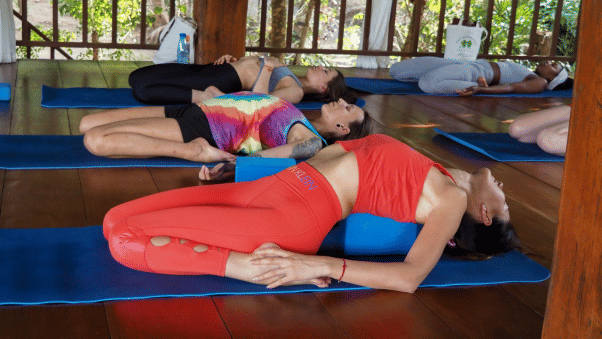
Yoga Teacher Training and Instruction
Yoga Vidya Mandiram incorporates multiple yoga approaches into its educational offerings, allowing students to explore different practices and develop an understanding of their teaching applications.
Through its 200-Hour Yoga Teacher Training in Chiang Mai, Thailand, students have the opportunity to study yoga foundations, practice methodologies and teaching techniques. The school's 200 Hour Yoga TTC in Thailand provides an opportunity to explore different yoga styles while developing practical teaching skills.
Understanding differences between Hatha, Ashtanga and Vinyasa Yoga can help aspiring instructors make informed decisions about sequencing, pacing, modifications and the needs of their students.
About Yoga Vidya Mandiram
Yoga Vidya Mandiram is a yoga education school offering yoga teacher training programs in Chiang Mai, Thailand. Its educational approach combines traditional yogic knowledge with practical instruction across different yoga practices and teaching methodologies.
Media Contact
Yoga Vidya Mandiram
Website: https://yogavidyamandiram.com/